

NotesPlace
What the cove has kept
Before the summer visitors there was a chapel, a whaling station and the first farmed mussels in the state.
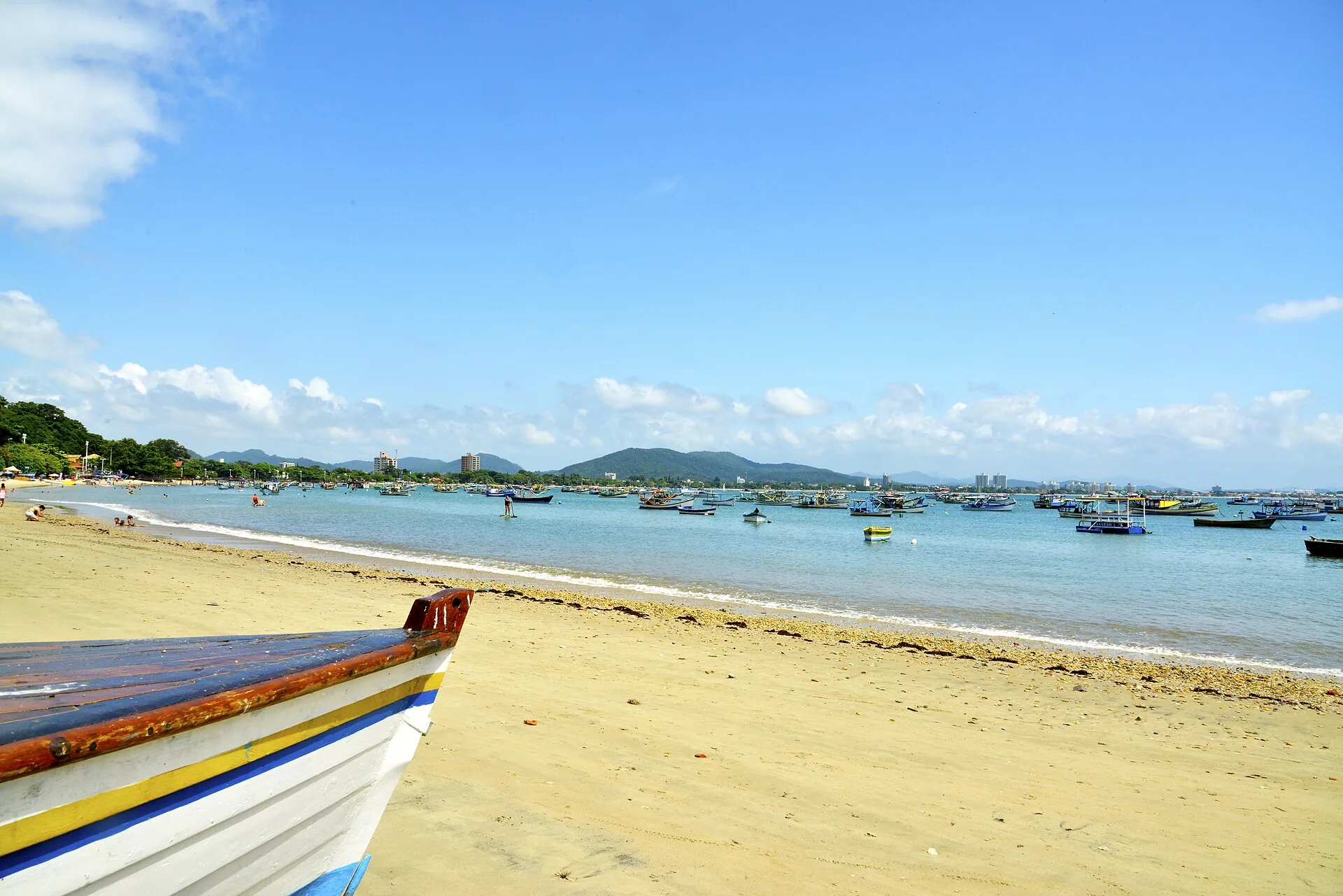
A cove is, before anything else, a shelter. The Itapocorói cove lies on the northern coast of Santa Catarina, and the headland at Penha shields it from the southerly and south-easterly swell. Inside, the sea arrives gently. That gentleness decided everything that came afterwards.
In 1777 a whaling station was set up there. Armação was the name given, on the coast of colonial Brazil, to the establishment where whales were hunted and their blubber rendered into oil, used for lighting. It needed sheltered water for the boats and firm ground beside the beach. Itapocorói had both.
The chapel of São João Batista dates from that century and is still standing, in Penha, at the spot still called Armação do Itapocorói. From the station came the settlement; from the settlement, two towns. Piçarras was a district of Penha until 1963, and the river that reaches the sea between two breakwaters is now the boundary between them.
The hunting ended, and the name remained. It happens at several points along the Santa Catarina coast: armação became a word on the map, and few of those who say it think of whales. What did not change was the reason for being there. The cove went on sheltering boats, now those of the small-scale fishermen of Penha.
In 1985 the same quiet water served another purpose. It was in this cove that Santa Catarina began to farm mussels. The state's shellfish farming was born there, for the same reason that had brought the whaling station two centuries earlier: a sea that lets people work.
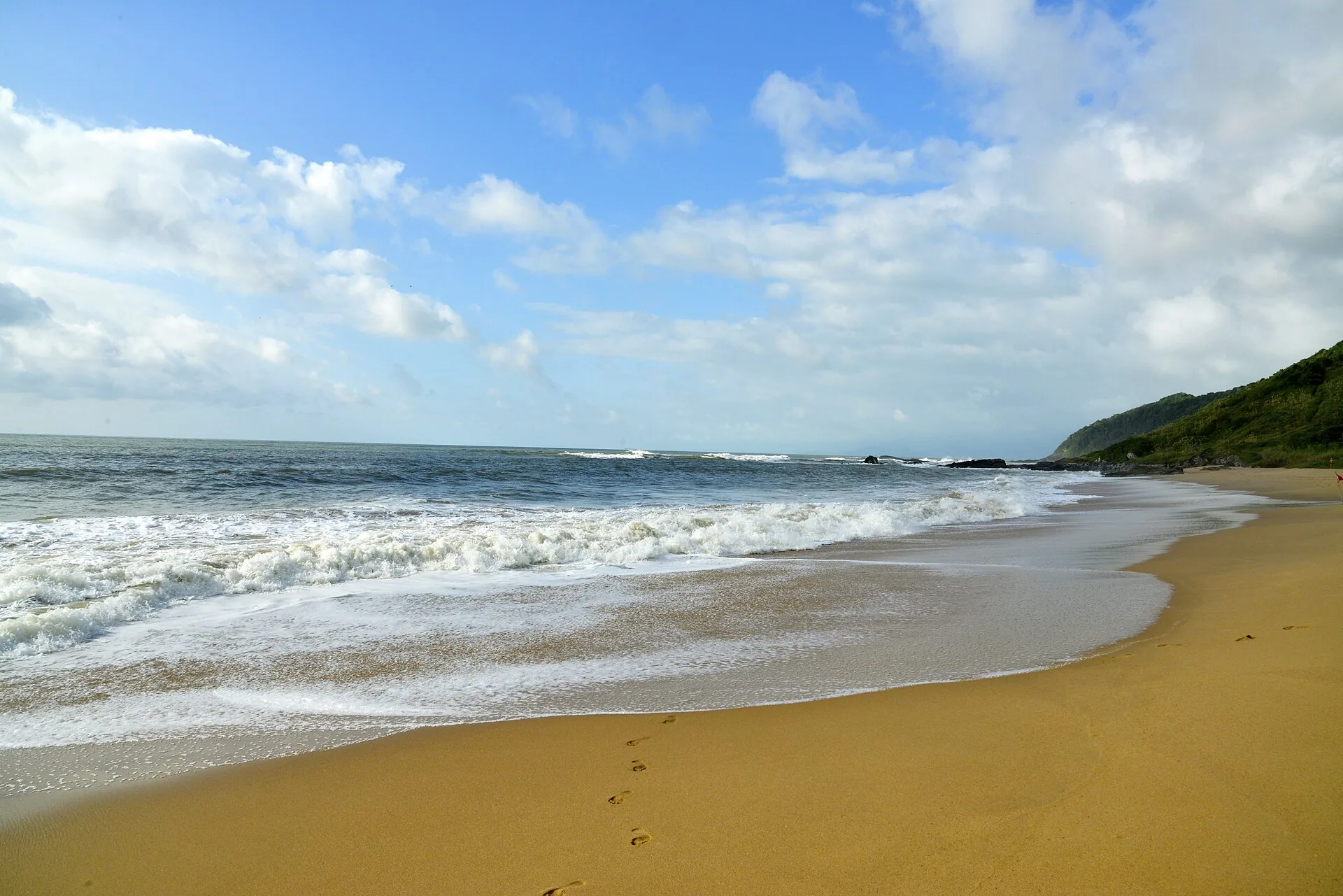
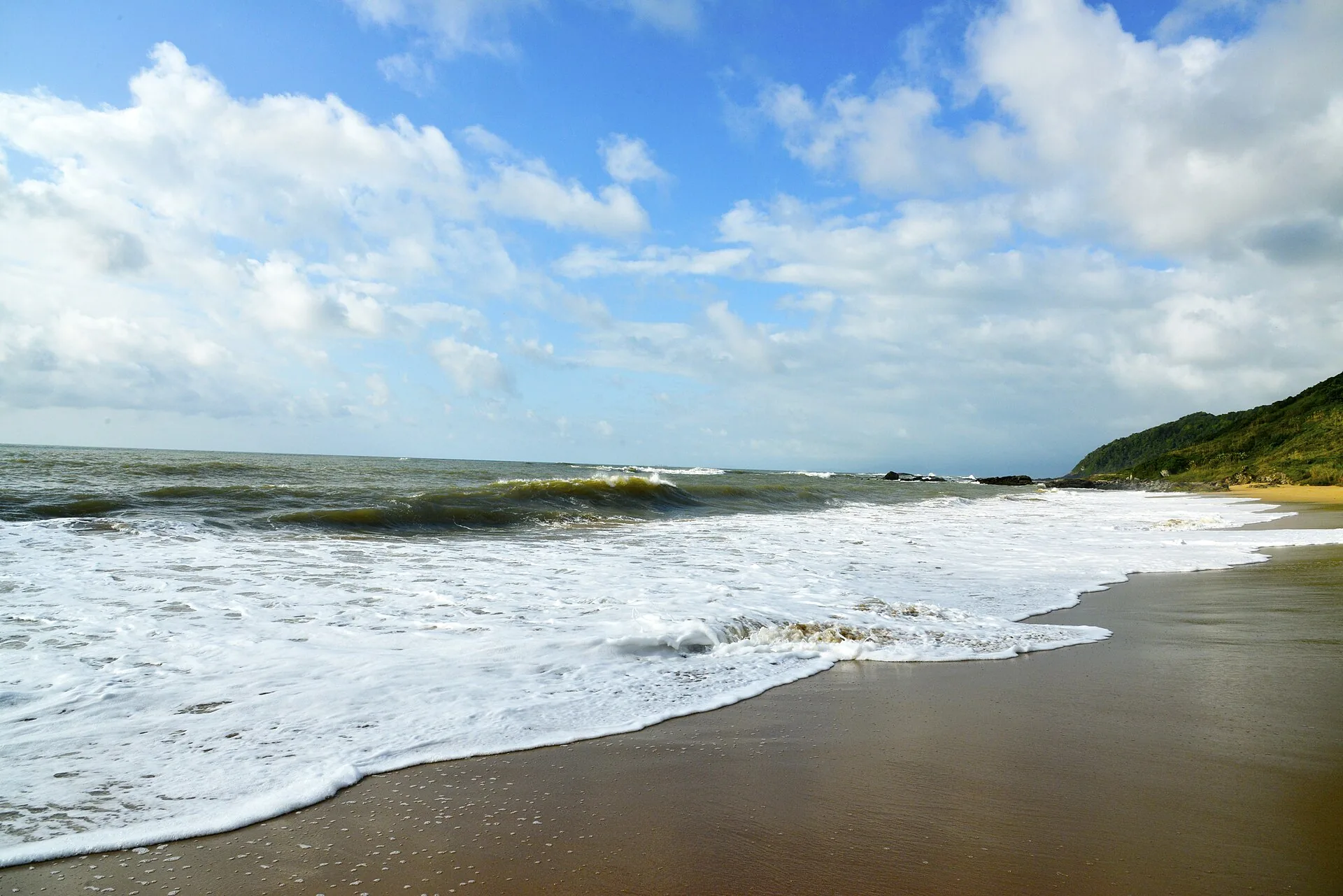
At the mouth of the cove, close to the headland, sits Ilha Feia, the Ugly Island. The name does it no justice, and perhaps that is the point. Behind the shore, the hills hold Atlantic Forest. Between the island, the river and the hills lies the whole beach, which can be walked from end to end without losing sight of the cove.
Some places are explained by what they built. This one, by what it left alone.
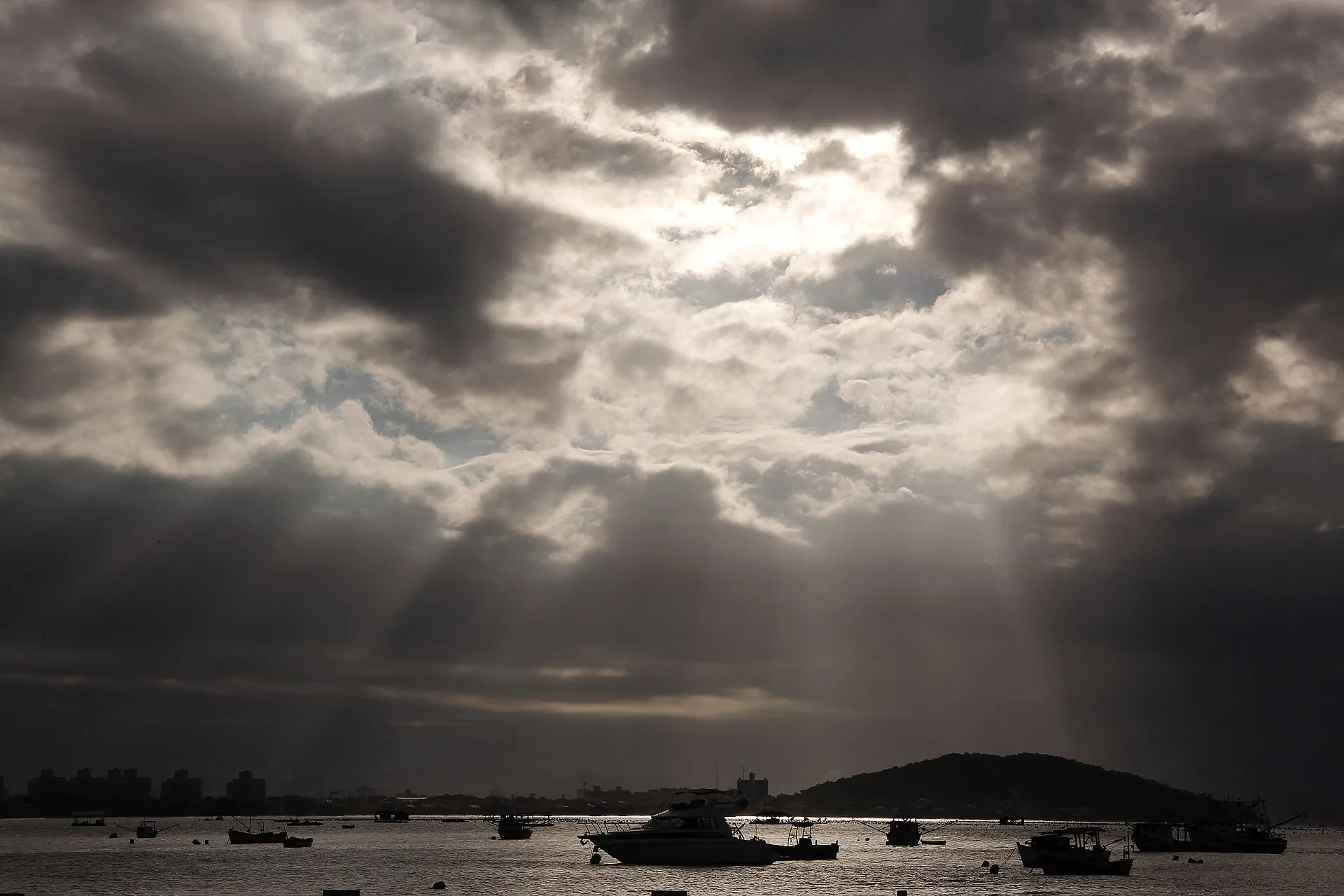
The summer visitors came last. The town fills and then empties, and it is when it empties that the cove once again resembles what it always was: still water, boat, chapel, hill. Whoever knows Piçarras at that hour knows the oldest one.
The name Piçarras is said to come from piçarro, the clayey sediment beneath the ground. It is a modest origin, of the earth, and it suits. Nothing there was made to impress. The cove simply shelters, as it did when nobody thought of arriving by car.
Some places are explained by what they built. This one is explained by what it left alone. Two and a half centuries of people have passed through the same water, each with a trade of their own, and the water is still gentle. It is the best that can be said of a cove, and of those who keep coming to it.
Other Notes
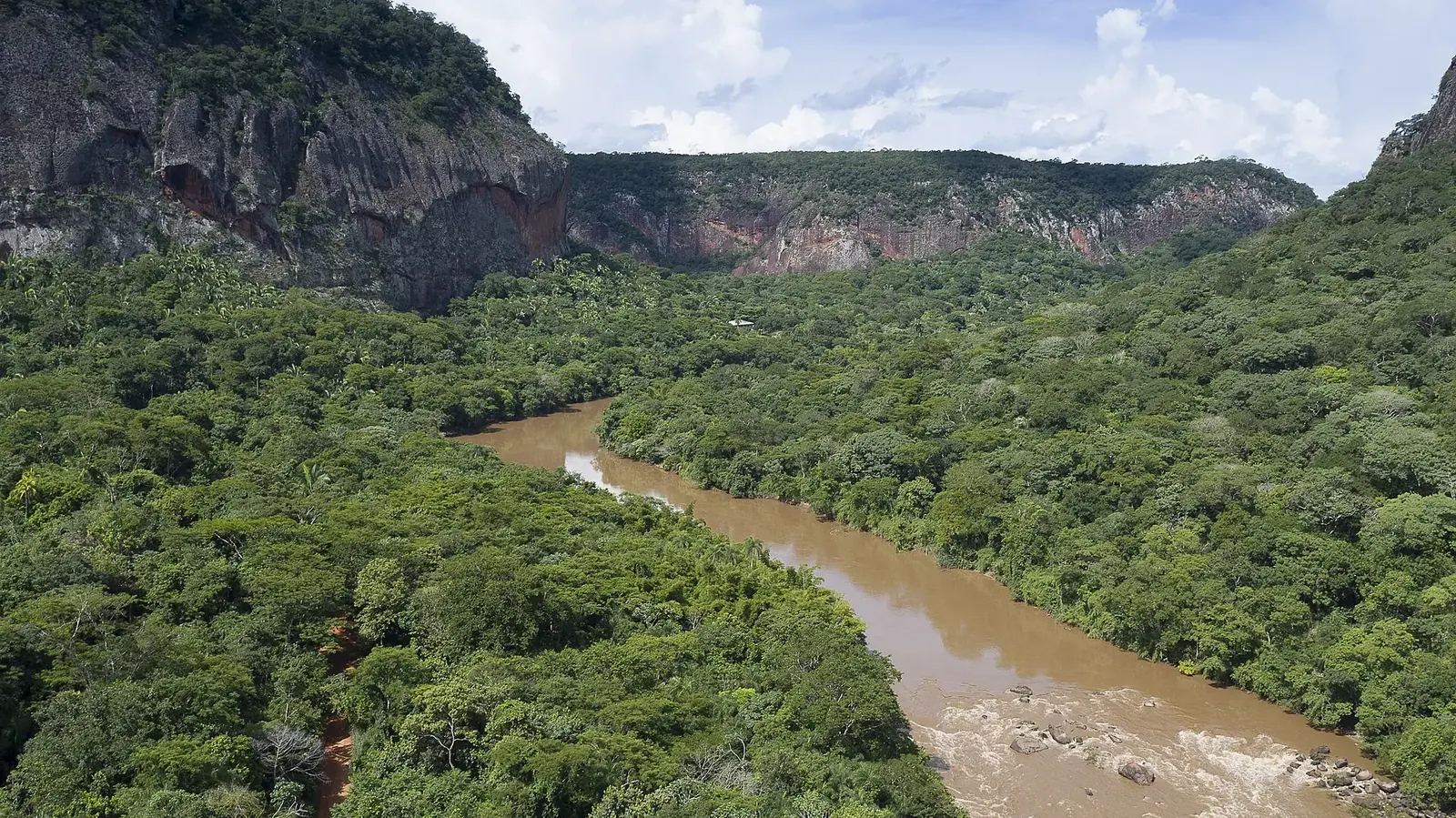
The red stone
At Piraputanga, the ridge, the river and the railway run side by side.
Read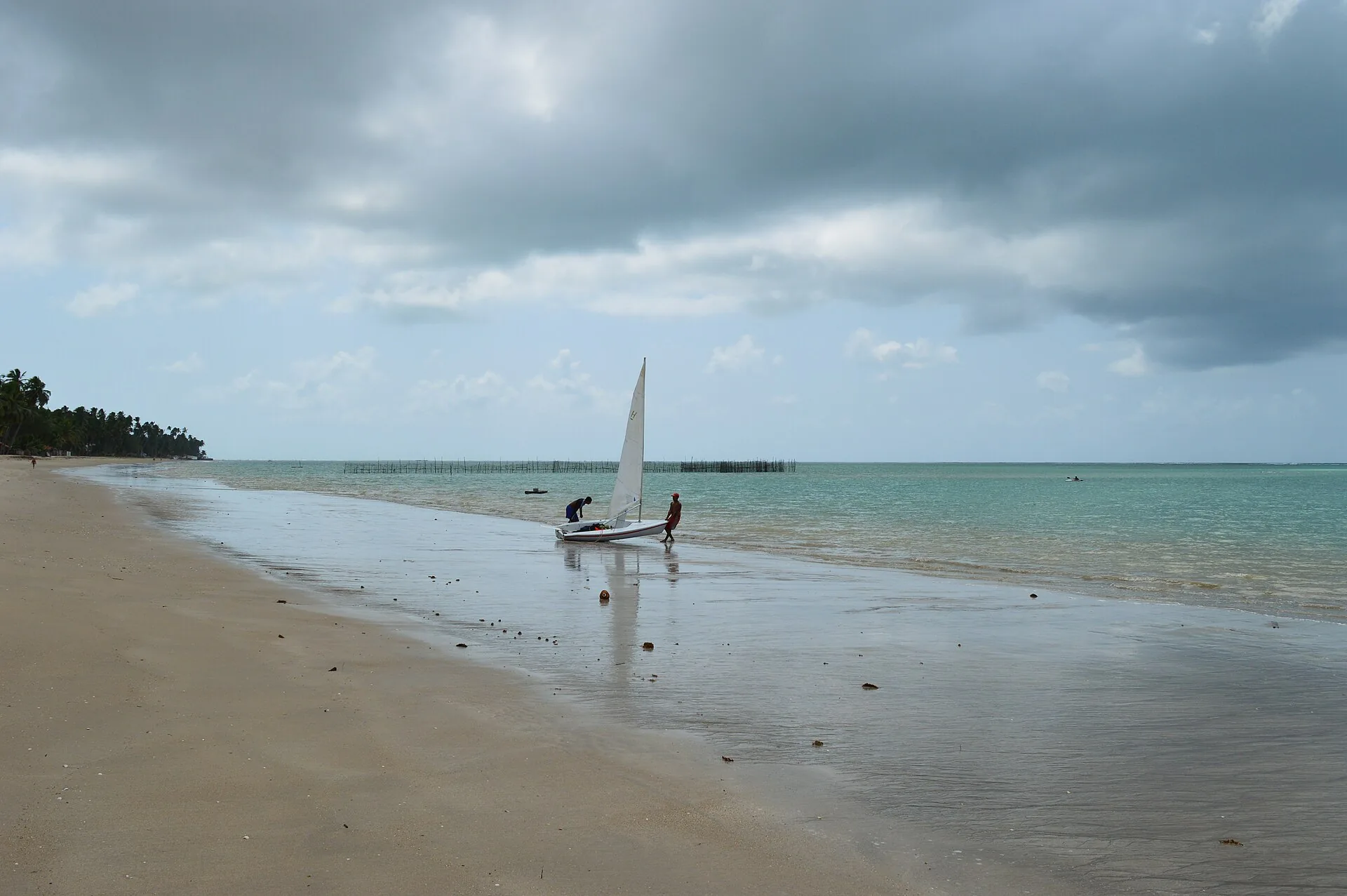
The reef
A line of living rock, close to the sand, decides what the sea is like at Milagres.
Read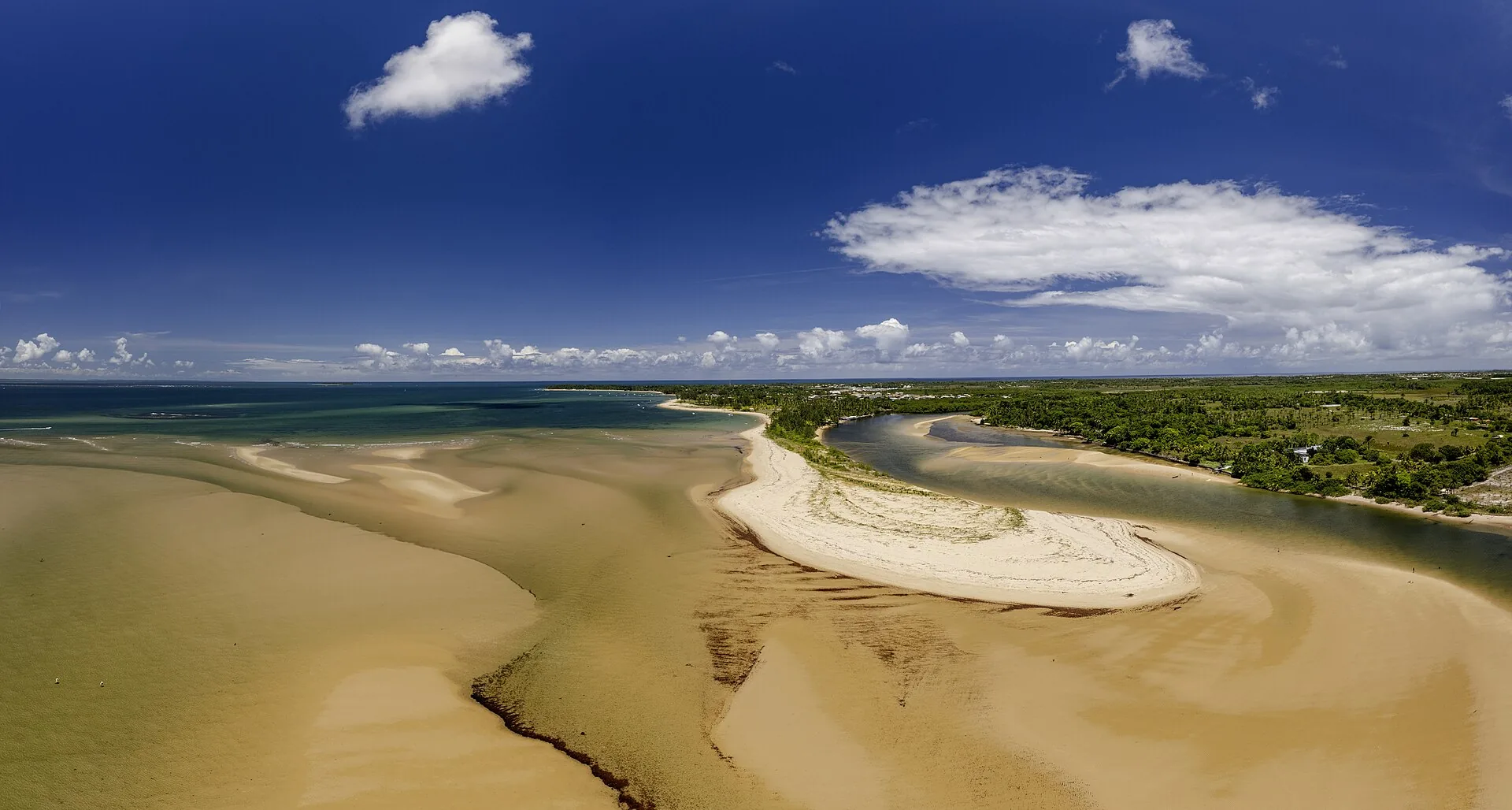
The saveiros of Cajaíba
On the far side of Camamu Bay, wooden boats are still built by hand.
Read