NotesLandscape
The coconut palm came from elsewhere
The tree that seems to have been born with the coast arrived by ship, in 1553.
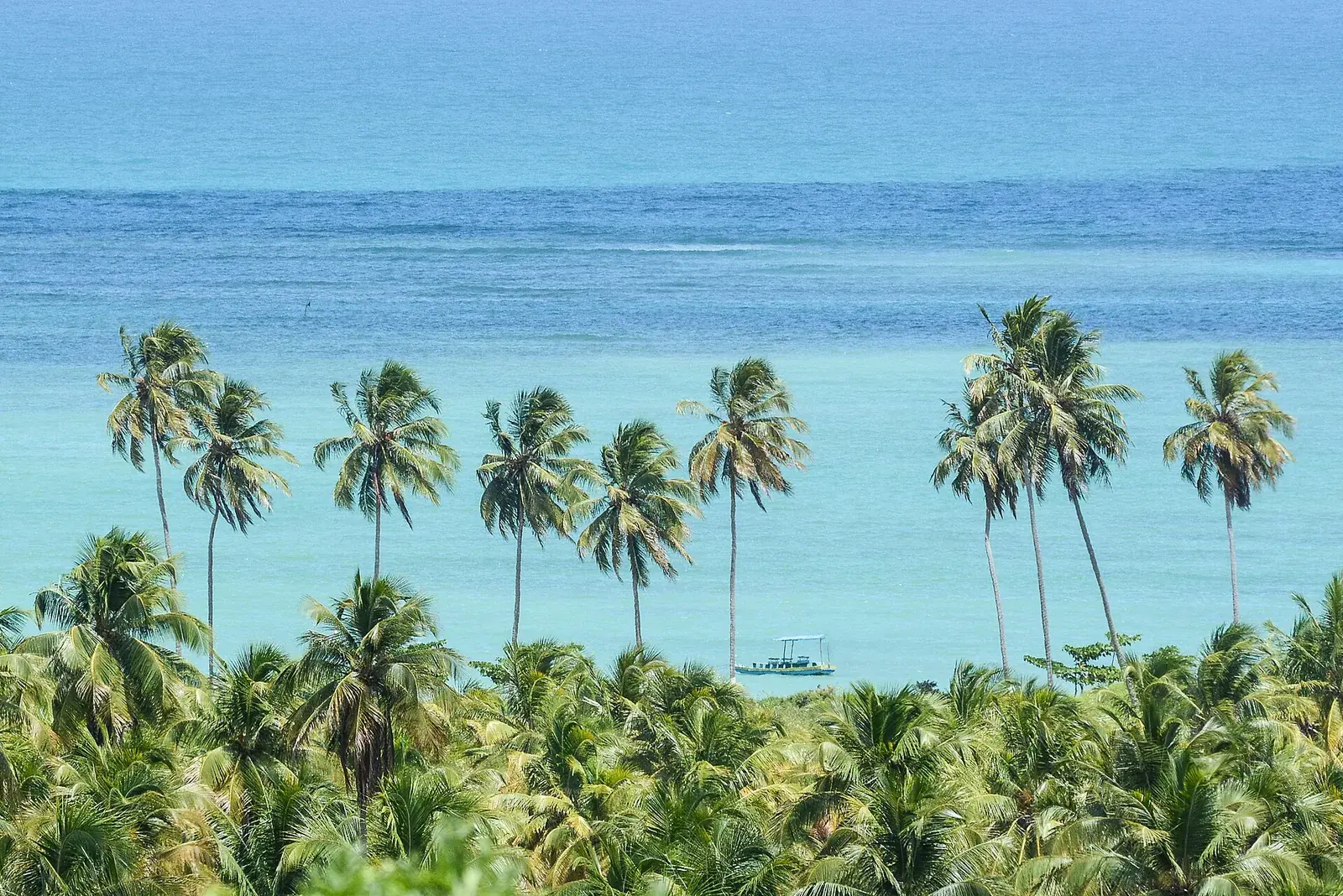
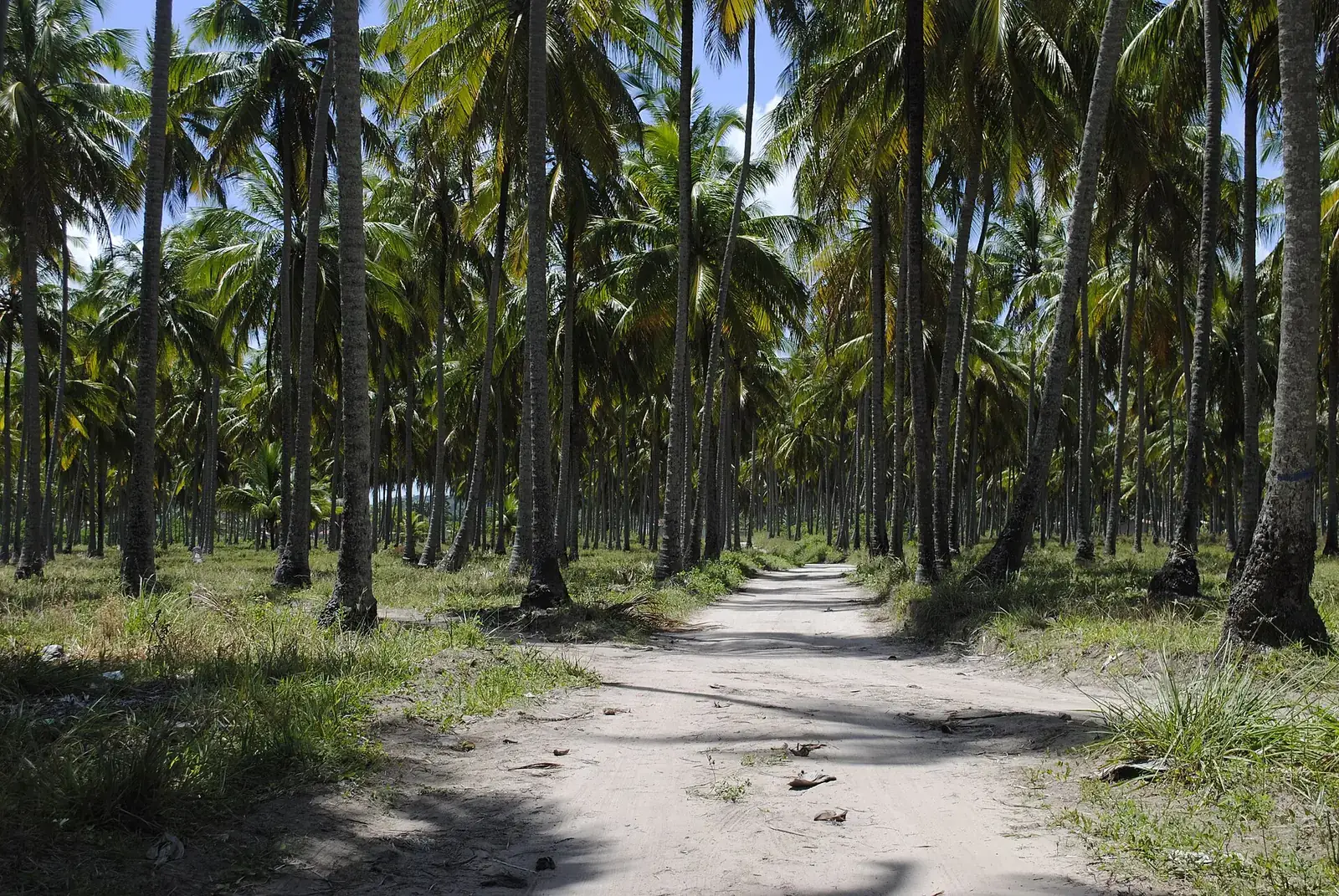
No tree seems more Brazilian than the coconut palm. It is on the postcard, in the song, in the background of every beach picture from the Northeast. And yet it is not from here. According to Embrapa, the federal agricultural research agency, the coconut palm was introduced to Brazil in 1553, in Bahia, brought from Cape Verde.
It came by ship, then, and before that it had come from further still. On the north-eastern coast it found what it wanted: sand and salt. It spread. In under five centuries it became the very outline of the shore.
At São Miguel dos Milagres, the coconut grove is the second line of the landscape. The first is the reef, in the water. Between the two lies the beach. One walks in its shade from one village to the next, and the stretch of sand from which none can be seen is rare.
Further south, in Bahia, another palm made the same journey. The oil palm is native to Africa and crossed the Atlantic. Today, according to Embrapa, oil-palm groves occupy the coast of Bahia from Itaparica to Maraú. The stretch took its name from the tree: Costa do Dendê.
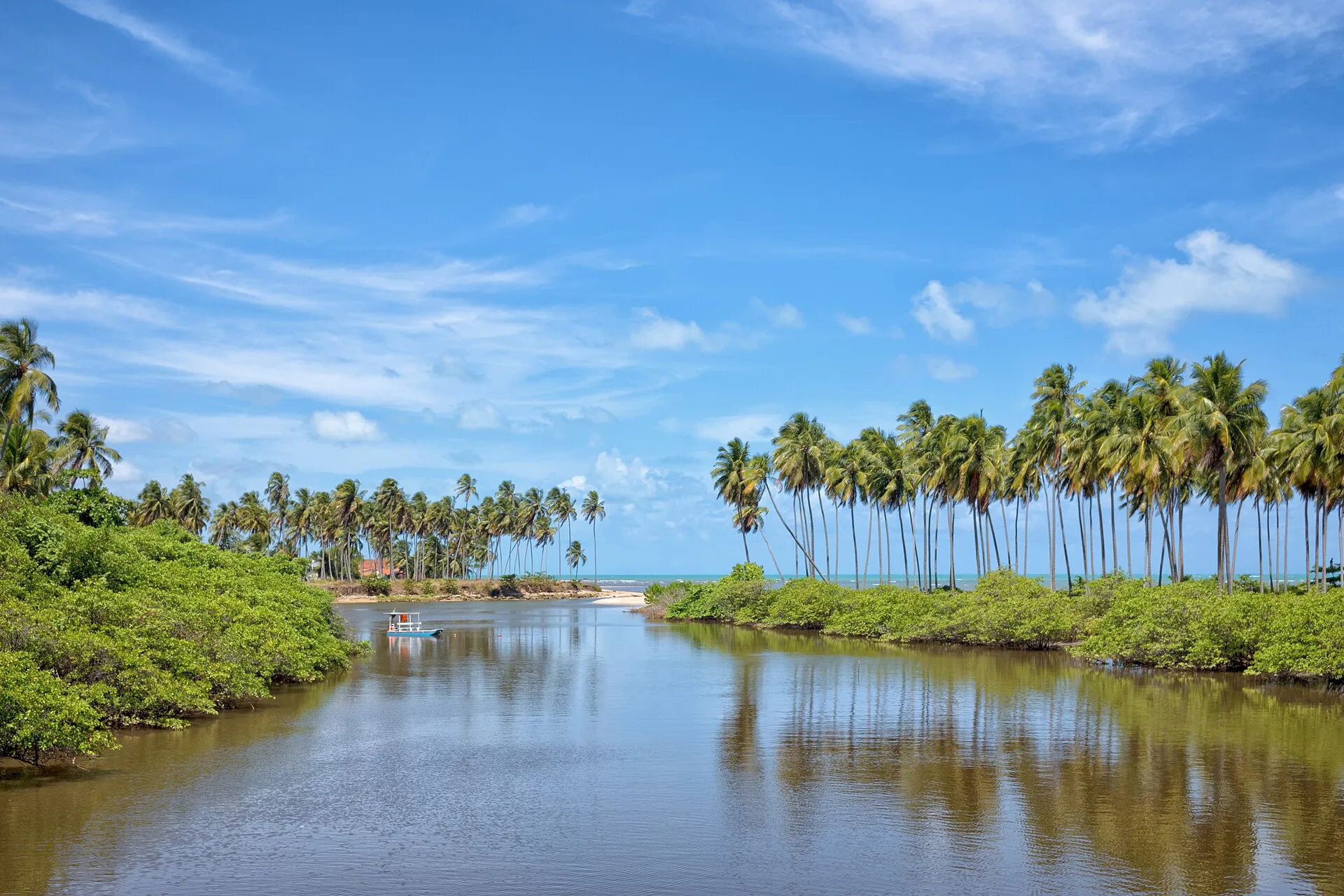
On the Maraú Peninsula, the two palms live side by side. One gives water and shade; the other, the oil that colours the cooking of Bahia. Neither is native, and the land cannot be imagined without them.
There is an idea in this that matters to anyone arriving. Being of a place is not only a matter of having been born in it. The coconut palm arrived later, stayed, and today nobody asks to see its papers. What it did was simple: it gave shade, it gave fruit, it served those already there. It belongs because it served.
Not every arrival is like that. There are plants that come from elsewhere and take over everything, and there are people who do the same. The difference between the one and the other lies not in origin but in manner. It is a demanding yardstick, and worth keeping in view when one builds near a reef or on the shore of a bay.
It belongs because it served.
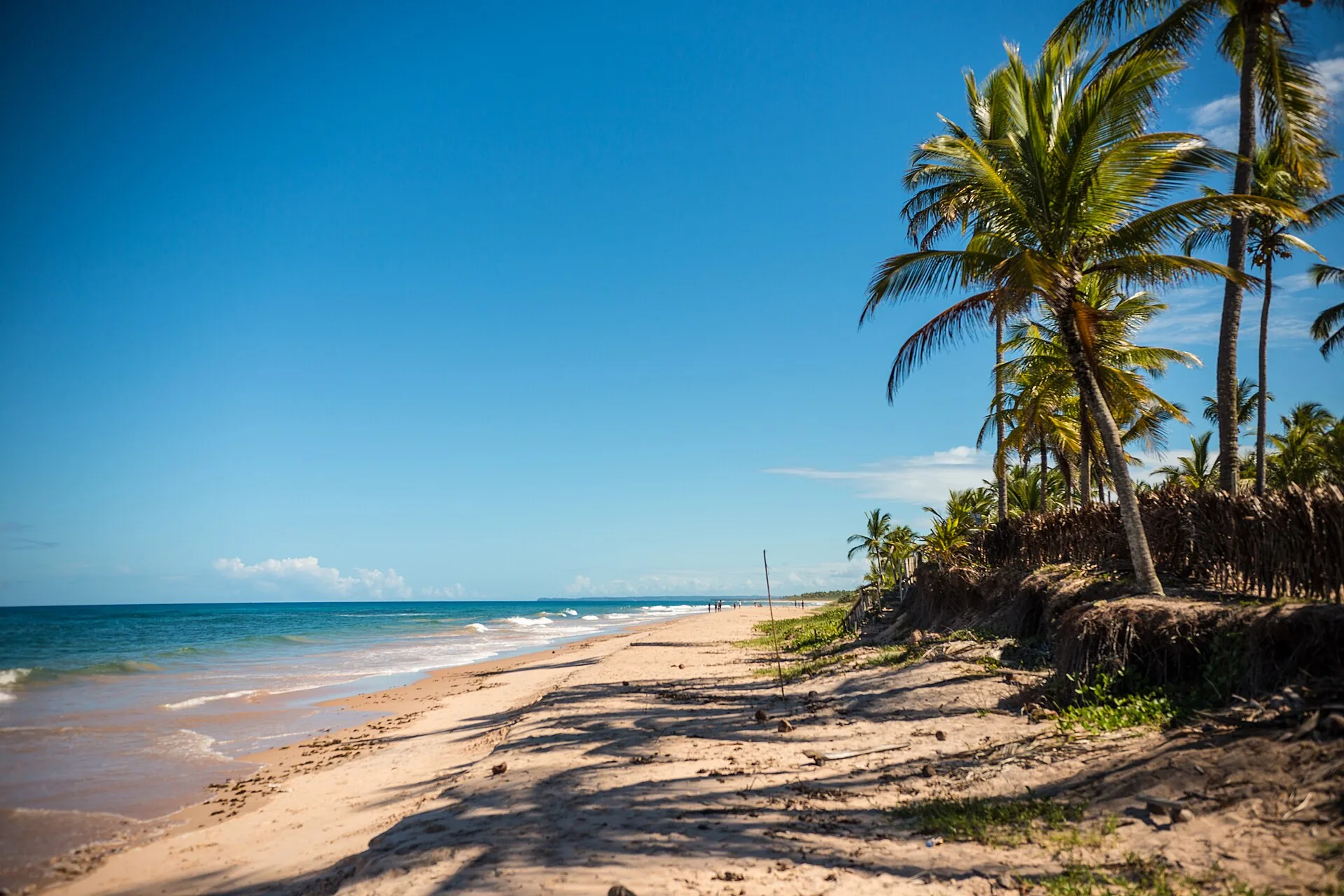
The same goes for names. Costa do Dendê, Costa dos Corais: one stretch of shoreline is named after a plant that came from another continent; the other, after an animal that builds rock under water. The map records what is most a place's own, and what is most its own is not always what is oldest.
The next time the shade of a coconut palm seems the most natural thing in the world, it is worth remembering: it has a date. 1553. Before that, the beach was the same, and did not have this tree. What looks eternal in a landscape almost always arrived one day, and had to earn its stay.
It is what is expected of those who come later. With the coconut palm, it worked.
Other Notes
Returning
To go is to get to know a place. To return is something else.
Read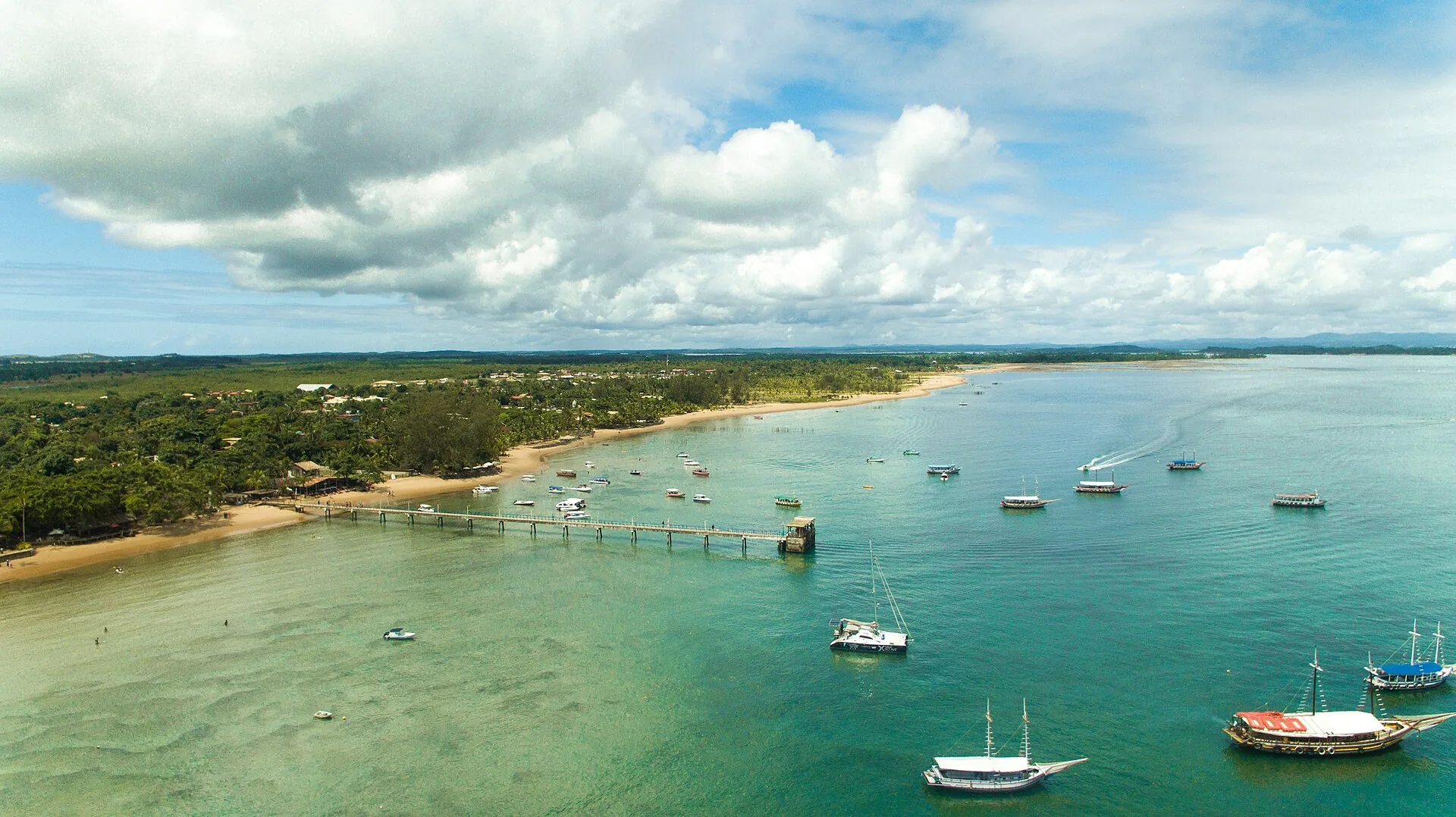
The crossing
The Maraú Peninsula is reached by water. The journey begins on the quay.
Read
What the cove has kept
Before the summer visitors there was a chapel, a whaling station and the first farmed mussels in the state.
Read