

NotesNature
The river of the manatee
On the Tatuamunha, the gentlest animal of the coast has a river again.
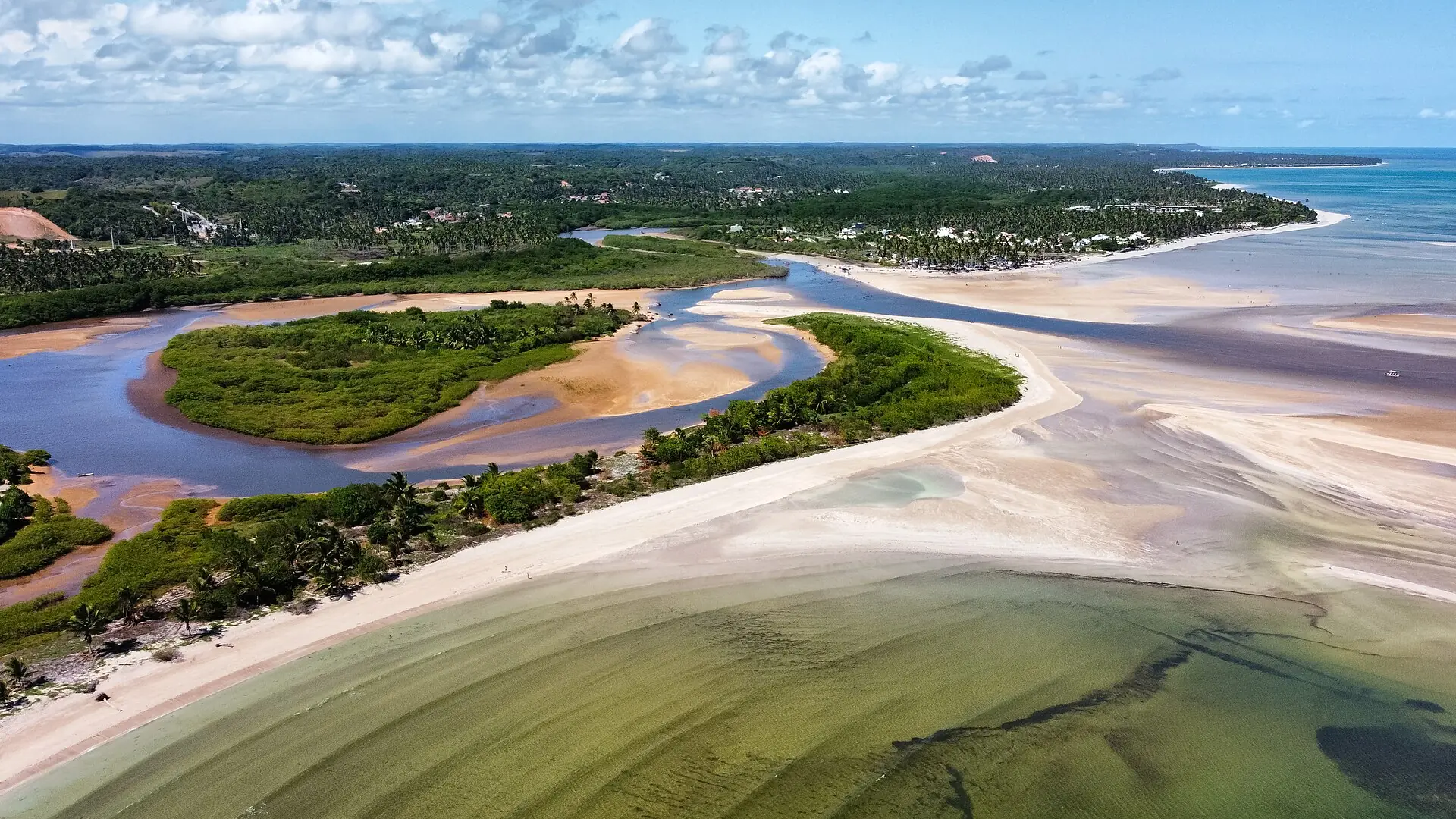
North of São Miguel dos Milagres, already in Porto de Pedras, the Tatuamunha river reaches the sea through mangroves. It is a river of calm water, and it has a resident that all but vanished from the Brazilian coast: the West Indian manatee.
The manatee, despite its Portuguese name of "ox-fish", is no fish. It is a large, slow mammal that eats plants and breathes air. It rises to the surface, takes a breath, sinks again. It has neither haste nor defence. That gentleness nearly finished it: for centuries the animal was hunted along the coast, and it did not know how to flee.
In Brazil the species is classed as endangered. The work of bringing it back is patient: rehabilitated animals are returned to the wild, one at a time. Porto de Pedras is the base where ICMBio carries out these releases.
With that, the river has manatees again, and the village has come to live with them in a different way. The creature once hunted became the creature now looked after. It is a change that fits within one generation, and it can be seen on the quay.
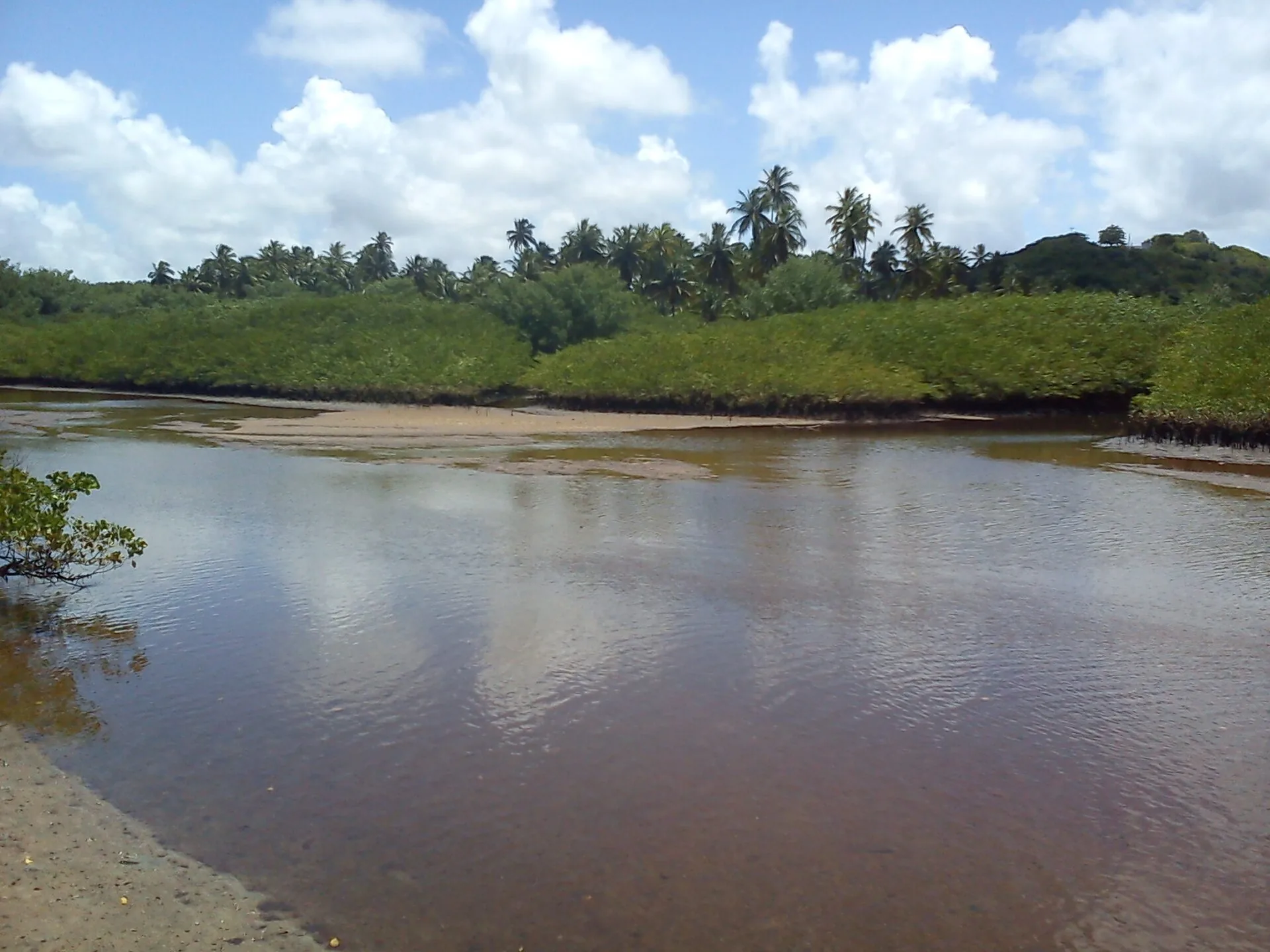
Visits are run by the Associação Peixe-Boi, founded in 2009. One goes in a boat without an engine, with a local guide, at an appointed hour. The rules serve the animal, not the visitor. Distance and silence are kept. One watches from afar, and from afar is already a great deal.
Without an engine, the river is a different river. One hears the paddle, the mangrove, the animal's breath as it surfaces. Those expecting a spectacle find a lesson in scale: an enormous, quiet creature that appears when it chooses and is gone without warning.
There is something fitting in having to make an appointment to see a manatee. For a long time, man came to it whenever he pleased. Now he waits his turn, at the pace of the river. It is a good model of how to enter a place that already had an owner.
Man came to it whenever he pleased. Now he waits his turn.
The Tatuamunha lies within the Costa dos Corais Environmental Protection Area, the same that safeguards the reefs of Milagres. Reef, mangrove and river are parts of a single thing. Whoever looks after one ends up looking after the others, and whoever visits one ought to know all three.
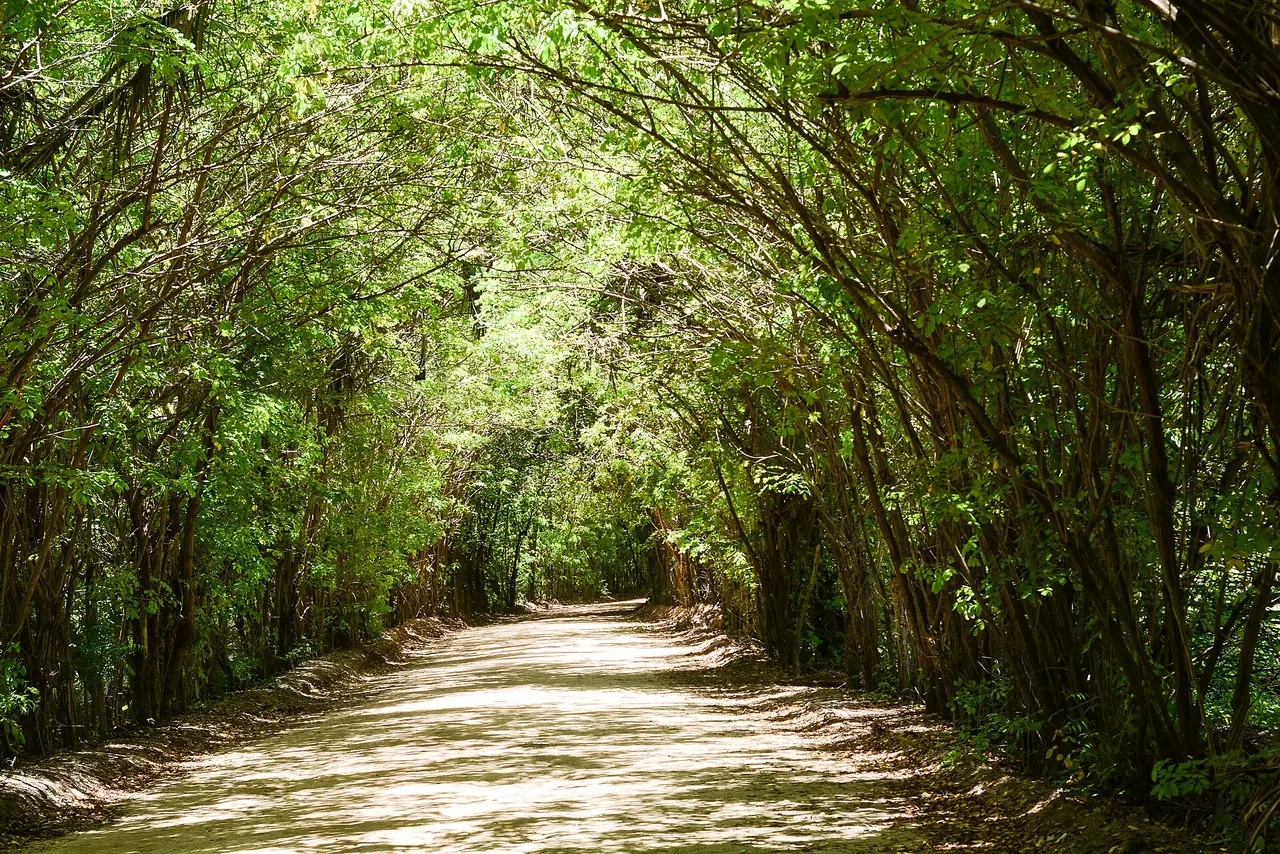
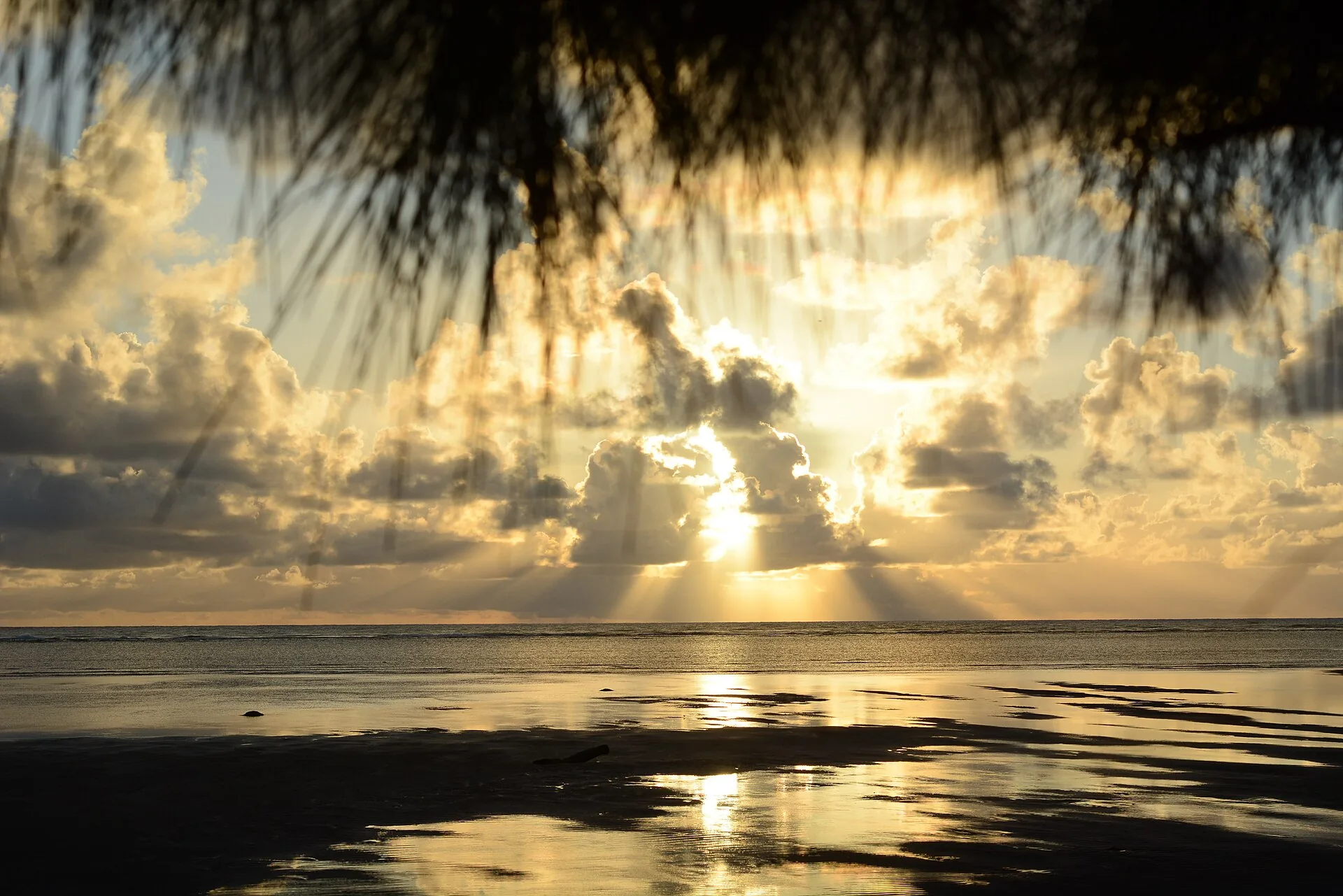
The way there is already a lesson. One leaves the open beach, with its clear water and wide horizon, and enters a narrow river of dark water, its banks closed in by mangrove. The light changes, the sound changes. Within minutes one is in another world, and it is in that other world that the animal chose to stay.
Those who return to Milagres year after year end up returning to the river. Not for the animal they saw, but to find out whether it is still there. It is. It is one of the few pieces of good news that can be checked in person.
Other Notes
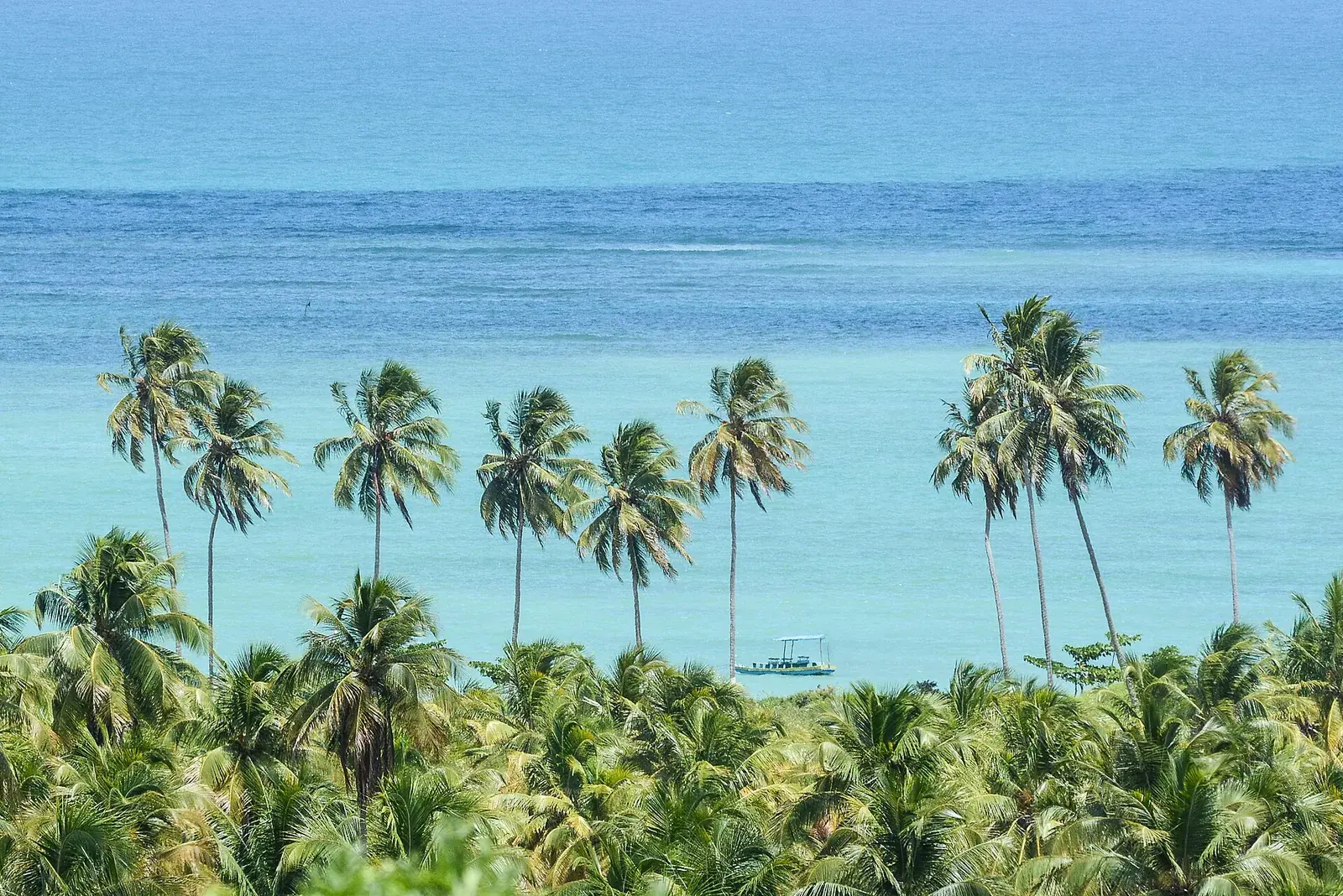
The coconut palm came from elsewhere
The tree that seems to have been born with the coast arrived by ship, in 1553.
Read
Returning
To go is to get to know a place. To return is something else.
Read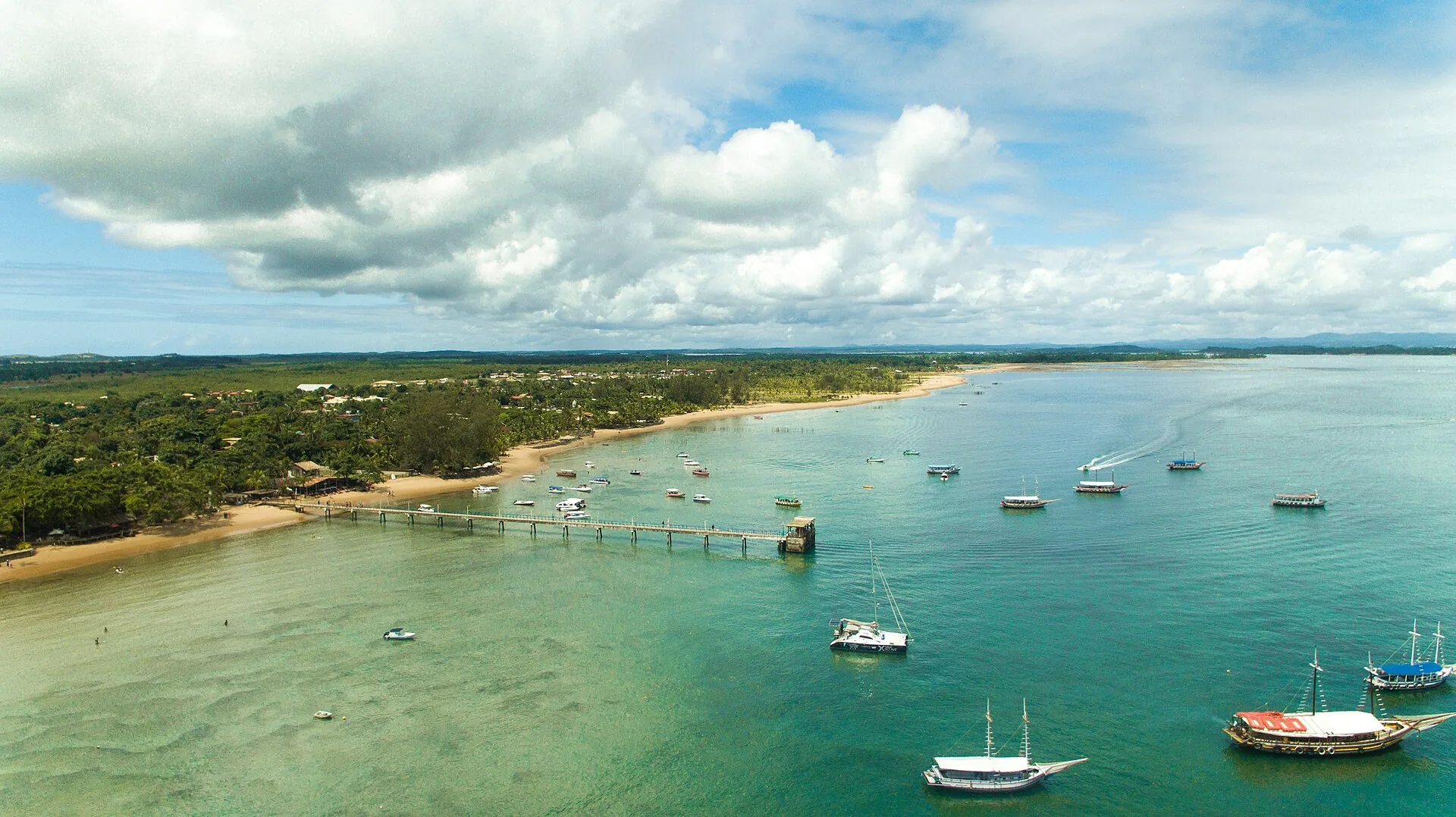
The crossing
The Maraú Peninsula is reached by water. The journey begins on the quay.
Read